
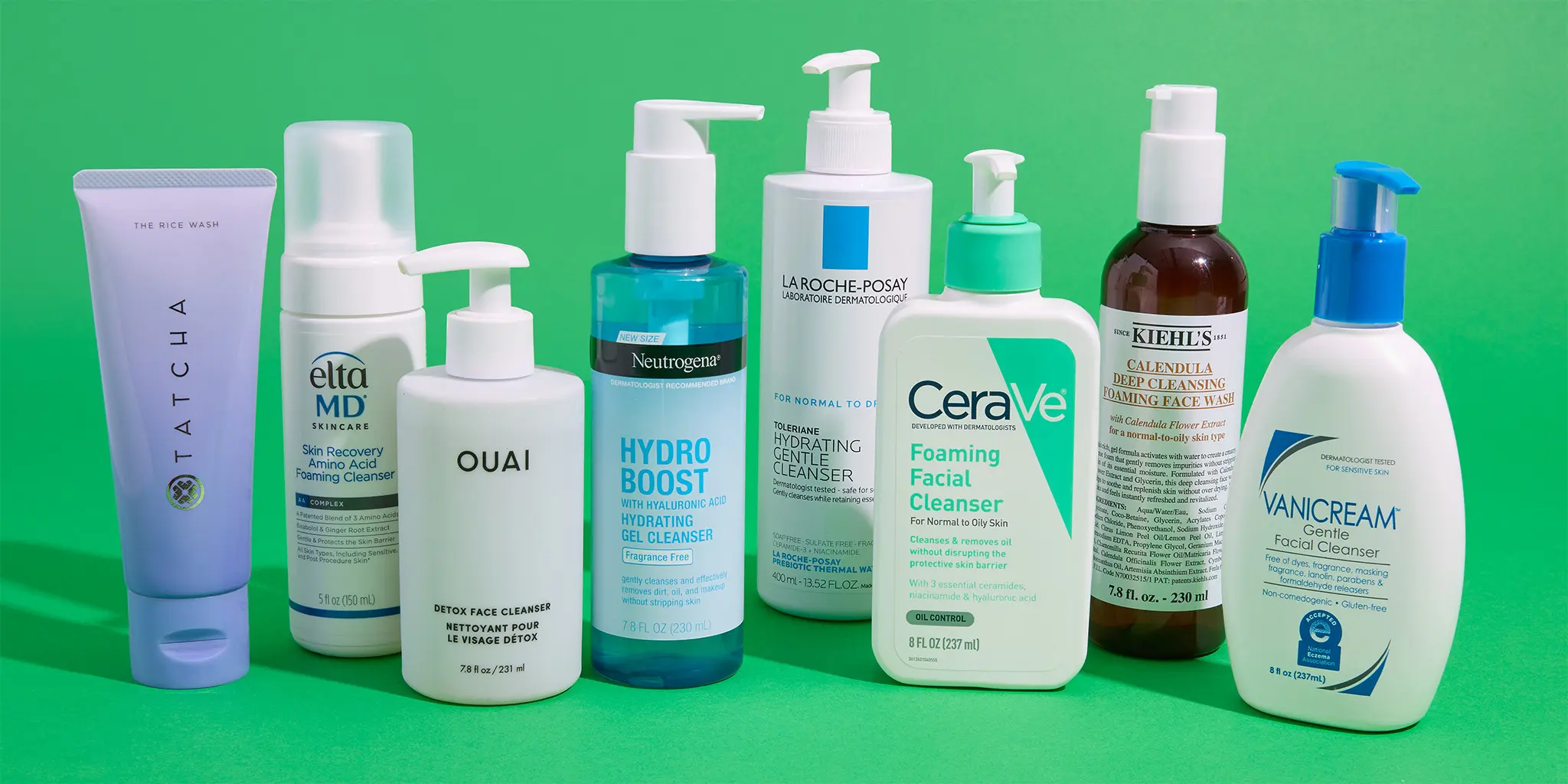
Oily facial skin can feel as though it needs constant washing, yet stripping away every trace of oil is not the goal. Skin naturally produces sebum, and harsh cleansing may leave the face irritated without solving the underlying tendency toward oiliness.
A balanced routine aims to manage shine, clogged pores, and breakouts while protecting the skin from unnecessary dryness.
Oil Is Not Automatically a Skin Problem
Sebum helps protect the skin. Trouble tends to appear when excess oil combines with clogged pores, acne, or a persistent greasy feeling that is difficult to manage.
The American Academy of Dermatology recommends washing oily skin gently up to twice daily and after sweating instead of repeatedly scrubbing it. AAD oily-skin recommendations
Online skin care references may discuss many possible routines, but a useful starting point is simpler: control excess oil without intentionally making the skin raw, tight, or flaky.
Choose Cleansing Over Stripping
A mild foaming cleanser may remove excess oil without the punishment of rough scrubbing. Alcohol-heavy cleansers and overly aggressive products can irritate the face.
Blotting papers can also remove surface shine during the day without requiring another complete wash. Press rather than rub so you are not adding unnecessary friction.
| Concern | Balanced Response | Avoid |
|---|---|---|
| Morning shine | Gentle cleanse | Repeated washing |
| Midday oil | Blot excess | Hard rubbing |
| Clogged pores | Noncomedogenic products | Heavy pore-clogging formulas |
| Tightness | Light moisturizer | More stripping cleanser |
General health information guides can provide background reading, but skin that becomes progressively sore or inflamed after a new routine is giving you a reason to simplify rather than add more steps.
Oily Skin Can Still Need Moisturizer
Skipping moisturizer because your face produces oil is not always helpful. Oil and water are different parts of skin balance, and oily skin can still feel dehydrated or irritated.
AAD guidance recommends moisturizer even for oily skin and suggests looking for products labeled oil-free and noncomedogenic. It also recommends broad-spectrum sunscreen with SPF 30 or higher for daily sun protection.
For broader daily wellness resources, it helps to keep lifestyle reading separate from claims about treating specific skin problems.
The Over-Cleansing Trap
One of the easiest mistakes is treating facial oil like dirt that must be removed every time it appears. The result can be a cycle of cleansing, tightness, irritation, and another attempt to clean even more aggressively.
Another problem is introducing several acids or exfoliating products at once. If redness, burning, or peeling develops, it becomes difficult to identify which product caused the irritation. Add new products gradually and pay attention to how the skin responds.
When Oily Skin Needs Professional Evaluation
A dermatologist can help when oiliness occurs with frequent painful acne, persistent redness, scaling, unexplained irritation, or scarring. A sudden major change in the skin can also be worth discussing, especially when it appears alongside other new symptoms.
Seek prompt medical care for severe swelling, widespread blistering, breathing problems, or another serious reaction following a skin-care product.
Frequently Asked Questions
How often should oily facial skin be washed?
For many people, washing up to twice daily and after sweating is enough. More frequent cleansing may irritate the skin rather than provide lasting oil control.
Should oily skin use sunscreen?
Yes. Choose a formula that suits your skin and consider labels such as oil-free or noncomedogenic if you are prone to clogged pores.
Does oily skin mean I should avoid moisturizer?
No. A lightweight noncomedogenic moisturizer can support skin hydration without necessarily making the face feel excessively greasy.
Aim for Comfortable Skin, Not Zero Oil
The most workable oily-skin routine is usually the one you can repeat without leaving your face sore or stripped. Clean gently, use compatible noncomedogenic products, and judge products by how your skin behaves over time.
If persistent oiliness is tied to painful breakouts, scaling, or ongoing irritation, a dermatologist can help separate ordinary oil production from a condition that needs targeted care.
This article is for general informational purposes and is not a substitute for professional medical advice, diagnosis, or treatment.