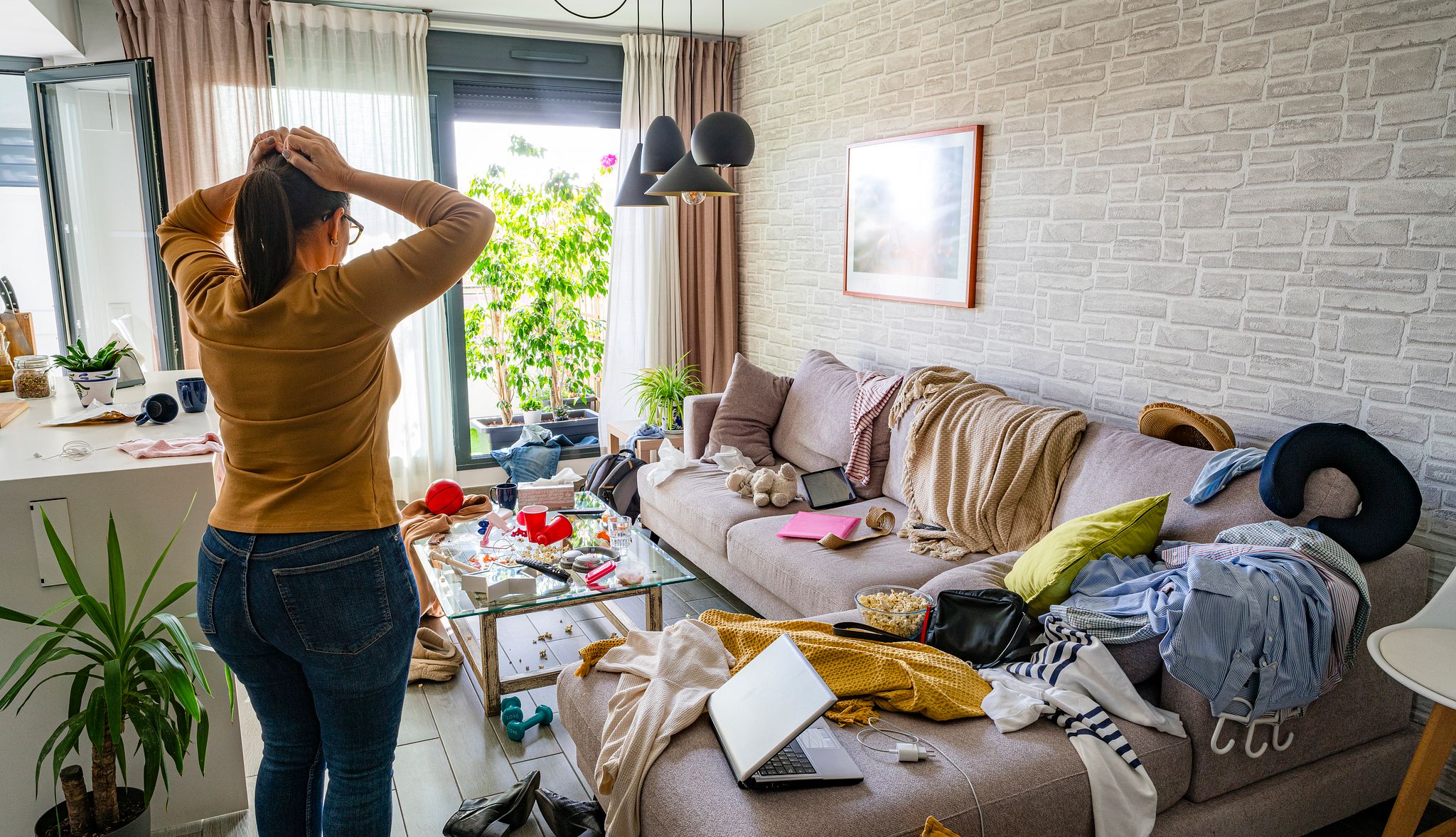
Poor house staging often begins with something ordinary: too much stuff. Buyers need enough visual space to understand a room’s size, purpose, and flow. Removing clutter before showings can make rooms easier to read without requiring expensive furniture rentals or a complete decorative makeover.
Start With What Buyers See First
Walk through the property as though you have never seen it before. Entry tables covered with mail, crowded kitchen counters, overloaded coat hooks, and packed living-room shelves create visual competition immediately.
Remove anything that doesn’t help explain the room. Homeowners exploring general property reading may encounter elaborate staging advice, but reducing visible clutter is one of the simplest places to begin.
Clear Surfaces Without Making Rooms Empty
The goal isn’t to strip every surface bare. A lamp, small plant, or carefully chosen decorative object can help a room feel finished.
Problems appear when several unrelated objects compete for attention. Leave breathing space between items so buyers notice the room rather than the belongings.
Make Storage Look Usable
Buyers often open closets, cabinets, and pantry doors. Moving every loose object into those spaces can therefore create another staging problem.
Reduce excess contents instead. Off-season clothing, duplicate kitchen equipment, paperwork, and rarely used household items can be packed before the home reaches the showing stage. Browsing home organization ideas may provide inspiration, but the guiding test is simple: storage should look functional rather than packed to its limit.
| Area | Common Staging Problem | Better Approach |
|---|---|---|
| Kitchen | Crowded counters | Store small appliances |
| Living room | Too much furniture | Open walking paths |
| Bedroom | Personal clutter | Simplify surfaces |
| Closet | Packed shelves | Remove excess items |
Improve How People Move Through Rooms
A room can be technically clean and still feel awkward if furniture blocks the natural walking path. Stand at each doorway and look toward the next likely destination.
Shift unnecessary chairs, side tables, baskets, or floor accessories away from traffic routes. Broader property presentation resources can spark additional ideas, though every furniture decision should ultimately support the actual layout of the home.
Give Each Room an Obvious Purpose
Unclear rooms make buyers work harder. A spare room functioning as an office, storage area, gym, and guest bedroom all at once can look smaller than it is.
Choose the strongest purpose and stage around it. You don’t need to hide every alternate use; you simply need one visual idea to lead.
What Sellers Often Get Wrong
Decluttering isn’t the same as hiding possessions wherever buyers won’t immediately see them. Stuffing cabinets, the garage, or bedroom closets transfers the problem rather than solving it.
Another mistake is removing so much furniture that buyers lose a sense of scale. A completely empty corner may look larger, but it can also make room proportions harder to judge. Good staging removes distraction while leaving enough context to understand how the space works.
Focus on Photos as Well as Showings
Many buyers first encounter a property through listing photos. Small objects that seem harmless in person can create a busy image when compressed into a phone screen.
Before photography, take your own pictures from doorway height. Items that escape notice while you’re standing in the room often become obvious in a photograph, including cords, countertop bottles, crowded shelves, and furniture edges blocking sightlines.
Frequently Asked Questions
How much should I declutter before selling a house?
Remove enough belongings that surfaces, pathways, and storage areas can be understood easily. You don’t need an empty house, but excess furniture, personal collections, paperwork, and rarely used items are sensible candidates for early packing.
Should family photos be removed for house showings?
You don’t necessarily need to remove every personal item. Reducing large collections of photographs and highly personal displays can, however, simplify rooms and place more visual attention on the property’s features.
Where should clutter go during home staging?
Packing items into labeled boxes and storing them neatly off-site or in an organized storage area is usually better than filling closets and cabinets. Buyers may inspect storage, so those spaces should remain reasonably accessible.
Make the Property Easier to Understand
Effective staging doesn’t require turning a lived-in home into a showroom. It requires removing enough distraction for buyers to see room dimensions, storage, circulation, and useful features quickly.
Start with visible clutter, then address overcrowded storage and furniture. Every object you remove should make the property itself a little easier to notice.