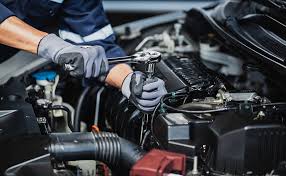

High outside temperatures can expose weaknesses in cooling systems, batteries, tires, and air-conditioning equipment. Before summer travel driving, inspect the systems that must handle heat for hours rather than assuming the vehicle will behave exactly as it does during short everyday trips.
Hot-weather preparation matters even more when the route includes traffic, mountains, heavy luggage, or long distances between services.
Give the Cooling System Priority
The cooling system controls engine temperature under demanding conditions. Low coolant, damaged hoses, leaks, worn components, or existing overheating symptoms should be investigated before a long summer trip.
Check coolant according to the vehicle manufacturer’s procedure and only when it is safe. Drivers researching seasonal car care topics may encounter many maintenance suggestions, but an existing temperature problem deserves actual diagnosis rather than generic advice.
Look for Evidence of Leakage
Coolant stains, unexplained sweet odors, wet areas, or repeated drops in the reservoir level can indicate a problem. Simply adding more coolant may hide the symptom temporarily without correcting the cause.
Inspect Tires for Heat and Load
Tire pressure changes with temperature, and heavily loaded vehicles place greater demands on the tires. Check pressures while the tires are cold and use the vehicle manufacturer’s recommended specifications.
Look for cracks, bulges, uneven wear, and low tread. Vehicle maintenance resources may help drivers locate relevant services, but damaged tires should be evaluated based on their actual physical condition rather than appearance from a distance.
| Heat-Related Area | Check Before Travel | Potential Issue |
|---|---|---|
| Cooling system | Level, hoses, visible leaks | Overheating |
| Tires | Pressure and physical condition | Excess heat or failure |
| Battery | Starting performance and terminals | Heat-related weakness |
| Air conditioning | Cooling performance | Reduced cabin comfort |
Test Air Conditioning Before You Need It
Air conditioning is more than a convenience during extreme summer travel, particularly for children, older passengers, pets, or anyone sensitive to heat. Test the system during normal driving instead of discovering poor cooling after the vehicle is already loaded.
Route selection also matters. Reviewing seasonal travel topics can help with timing and planning, while breaks, shade, drinking water, and realistic travel schedules reduce unnecessary heat exposure.
Watch Battery Performance
Many people associate dead batteries only with winter, yet high temperatures can also contribute to battery deterioration. Slow starting, swollen battery cases, terminal corrosion, or recurring electrical problems should be checked.
If the battery has already shown signs of weakness, a hot long-distance trip is a poor time to test how much life remains.
Where Summer Preparation Can Fail
One mistake is checking only the air conditioner because the weather is hot. The cooling system, tires, battery, engine oil, and brakes may have a greater effect on whether the vehicle reaches the destination reliably.
Another mistake is loading the car beyond sensible limits. Extra passengers, luggage, roof cargo, and towing can increase demands on tires, brakes, suspension, and engine cooling. Check the vehicle’s limits instead of assuming unused physical space means unlimited carrying capacity.
Frequently Asked Questions
Can hot weather cause a car to overheat even if it usually runs normally?
It can expose a cooling system that is already marginal. High temperatures, heavy loads, slow traffic, hills, or air-conditioning use may make an existing weakness easier to notice.
Should tire pressure be increased for summer road trips?
Use the pressure specified for the vehicle and driving conditions rather than guessing. Tire pressure should normally be checked cold because driving and outside heat can increase the measured pressure.
What emergency supplies are useful for summer driving?
Drinking water, phone charging equipment, basic first-aid supplies, warning gear, sun protection, and vehicle-specific emergency equipment are useful starting points. Remote routes may justify carrying additional water and other supplies.
Let the Vehicle Handle Heat Before the Trip
Summer preparation should focus on preventing manageable weaknesses from becoming roadside problems. Inspect the cooling system, tires, battery, fluids, and air conditioning before loading the vehicle. If it already runs hot, loses coolant, struggles to start, or shows damaged tires, solve those problems before adding long distances and extreme heat.