Selecting the right UTV wheels and tires is one of the most important decisions for riders who want dependable off-road performance, improved safety, and long-term durability. In 2026, the off-road industry continues to push innovation, with riders expecting more grip, better handling, and stronger resistance across increasingly demanding terrains.
Whether you’re riding through deep desert dunes, navigating rocky climbs, or powering through muddy trails, your UTV wheels and tires directly determine how your vehicle responds in real-world conditions. A properly matched setup can completely transform your riding experience, delivering smoother control, better stability, and increased confidence behind the wheel.
This guide explains everything you need to know about choosing, upgrading, and maintaining UTV wheels and tires, with practical insights inspired by off-road specialists like Dunes 2 Dezert, a trusted name in performance-focused UTV solutions.
Why UTV Wheels and Tires Matter for Off-Road Performance
Your UTV wheels and tires are the only part of your vehicle that makes direct contact with the ground. Every movement, acceleration, braking, cornering, and climbing depends on this small but critical contact patch.
A well-designed setup offers several performance advantages:
- Stronger traction across changing terrain
- Improved stability at higher speeds
- Better resistance to punctures and damage
- Enhanced comfort through shock absorption
In contrast, poorly chosen wheels or tires can cause unstable handling, premature suspension wear, and unsafe riding conditions. Off-road environments are unpredictable, so reliability becomes just as important as performance.
Understanding Off-Road Tires and Terrain Types
Different environments require different off-road tires, and using the wrong type can significantly limit performance.
Sand and Dune Terrain
Sand riding focuses on flotation rather than digging in.
Key features include:
- Wide tire footprint for better floatation
- Paddle-style or smooth rib designs
- Low air pressure for increased surface contact
Rock Crawling Terrain
Rock environments require maximum grip and durability.
Important characteristics:
- Reinforced sidewalls for impact protection
- Sticky rubber compounds for improved grip
- Deep, aggressive tread patterns for traction
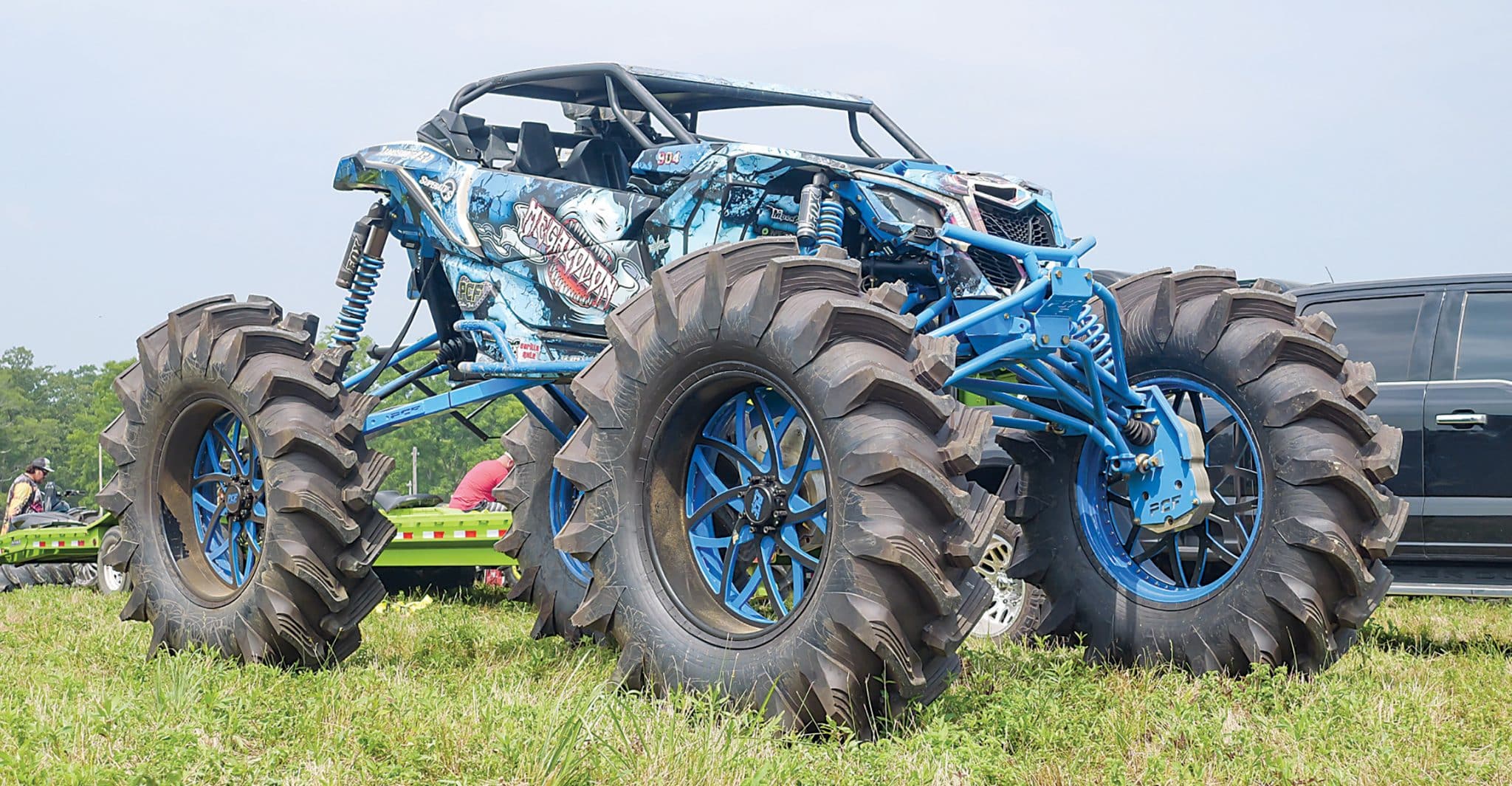
Mud and Wet Conditions
Mud performance depends on self-cleaning ability.
Ideal tire features:
- Large gaps between tread blocks
- High void tread design for debris clearance
- Strong rotational bite for pulling through thick mud
Matching your UTV wheels and tires to the terrain is one of the fastest and most cost-effective ways to improve performance without modifying your engine or suspension system.
Wheel Construction and Material Differences
Wheels play a major role in how UTV wheels and tires perform under stress and impact.
Aluminum Wheels
- Lightweight design improves acceleration and handling
- Better heat dissipation during long rides
- Common in performance and racing setups
Steel Wheels
- Extremely strong and impact-resistant
- Heavier but more affordable
- Ideal for rugged or utility-focused riding
Beadlock Wheels
Beadlock wheels are designed for extreme off-road use:
- Lock the tire bead in place at low pressure
- Allow aggressive air-down for better traction
- Common in rock crawling and desert racing applications
Tire Size, Load Rating, and Fitment Basics
Understanding tire sizing is essential when upgrading UTV wheels and tires.
A typical size like 30×10-14 means:
- 30: Overall tire height in inches
- 10: Tire width in inches
- 14: Wheel diameter in inches
Load Rating and Ply Strength
- Higher ply ratings increase puncture resistance and durability
- Lower ply ratings offer more flexibility and lighter weight
The right balance depends on your riding style, terrain, and vehicle load requirements.
The Importance of Tire Pressure (PSI)
Air pressure plays a huge role in how UTV wheels and tires perform.
Recommended general ranges:
- Sand riding: 6–12 PSI
- Rock crawling: 12–18 PSI
- Trail riding: 14–20 PSI
Lower pressure improves grip and flotation but increases the risk of pinch flats. Higher pressure improves fuel efficiency and sidewall protection but reduces traction. Finding the right balance is key to optimal performance.
Common Mistakes Riders Should Avoid
Many riders unintentionally reduce performance when upgrading UTV wheels and tires.
Common mistakes include:
- Choosing aggressive tires that don’t match the terrain needs
- Ignoring wheel offset and fitment requirements
- Overloading suspension with oversized tires
- Running incorrect tire pressure for conditions
- Prioritizing appearance over real performance
Avoiding these errors can improve safety, extend tire life, and enhance overall ride quality.
Maintenance Tips for Long-Term Performance
Proper maintenance keeps your UTV wheels and tires performing consistently over time.
Best practices include:
- Inspect tires before and after every ride
- Remove rocks, debris, or lodged materials
- Clean wheels regularly to prevent corrosion
- Rotate tires to promote even tread wear
- Check beadlock systems for proper sealing
Routine care not only improves safety but also helps reduce long-term replacement costs.
Suspension and Performance Compatibility
Your UTV wheels and tires should always be matched with your suspension system. When components are not properly balanced, performance and safety can suffer.
Key considerations:
- Larger tires may require suspension lift kits
- Heavier wheels may need upgraded shocks
- Wider tires can affect steering response and geometry
Professional guidance from experienced off-road experts helps ensure every component works together for balanced, reliable performance across a wide range of terrain conditions.
Seasonal Impacts on UTV Wheels and Tires
Weather and seasonal changes can significantly affect performance.
Hot Desert Conditions
- Increased tire pressure due to heat
- Faster tread wear
- Need for heat-resistant compounds
Wet and Rainy Seasons
- Higher risk of hydroplaning
- Need for deeper tread patterns
- Improved mud evacuation is required
Cold Weather Riding
- Rubber becomes stiffer and less flexible
- Reduced traction without proper compound selection
Adapting your UTV wheels and tires to seasonal conditions helps maintain consistent performance year-round.
Expert Insight: Why Professional Setup Matters
While many riders prefer DIY upgrades, a professional setup ensures proper alignment for performance. Experts evaluate:
- Terrain-specific tire selection
- Wheel offset and clearance compatibility
- Load distribution across suspension systems
Working with experienced off-road specialists helps reduce the risk of mismatched components and ensures your setup is properly optimized for real-world terrain conditions rather than focusing only on visual appeal.
Trusted Learning Sources for Deeper Technical Knowledge
For riders who want to go beyond the basics and understand the engineering behind performance, these resources offer valuable insight into tire construction and vehicle dynamics:
- Tire engineering fundamentals: Britannica Tire Overview
- General tire science and design principles: Wikipedia Tire Article
These references help explain how UTV wheels and tires behave under different terrain and pressure conditions, giving you a stronger technical foundation for smarter off-road decisions.
Frequently Asked Questions (FAQ)
1. How often should UTV wheels and tires be replaced?
Most riders replace tires every 1–3 years, depending on terrain, usage, and riding intensity.
2. Can different tire brands be mixed?
It is generally not recommended because tread differences can affect traction balance and handling stability.
3. What tire size works best for desert riding?
Larger flotation-style tires, typically between 28–32 inches, are commonly used for sandy environments.
4. Are beadlock wheels worth it?
Yes, beadlocks allow lower tire pressure without risking bead separation, significantly improving traction.
5. How do I confirm the correct wheel offset?
Correct offset ensures proper clearance, prevents rubbing, and maintains safe steering geometry.
Closing Insights for Smarter Off-Road Performance
Investing in the right UTV wheels and tires is one of the most impactful upgrades for improving off-road performance, safety, and comfort. The right combination enhances traction, protects your vehicle, and allows you to confidently handle a wide range of terrains.
By understanding tire types, wheel construction, sizing, and maintenance practices, riders can make smarter decisions and get the most out of their UTV setup in 2026 and beyond. For expert-level guidance and performance-focused solutions involving off-road tires, working with professionals like Dunes 2 Dezert ensures every detail is optimized for real-world riding conditions.