
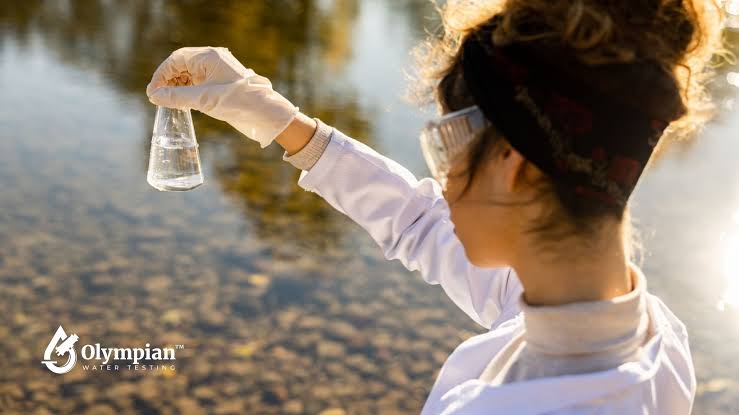
Water contamination concerns can lead to disputes about health, property, utilities, industrial activity, or environmental responsibility. Before making legal accusations or major remediation decisions, preserve the test results and the circumstances surrounding each sample.
A laboratory number without information about where, when, and how the water was collected may be much harder to interpret later.
Preserve More Than the Laboratory Report
Keep the complete laboratory report rather than copying selected results into an email or spreadsheet. Save sampling dates, sampling locations, laboratory identification, correspondence, photographs, invoices, and any available collection instructions.
If several samples were taken, label them consistently so each result can be connected to its exact source.
People investigating contamination sometimes consult legal research material while trying to understand possible responsibility. Such information can provide general context, but determining liability normally requires facts about the water source, applicable standards, ownership, causation, and jurisdiction.
Understand What a Test Result Actually Shows
A detected substance doesn’t automatically establish that a law was violated or that the water presents a particular level of risk. EPA explains that the Safe Drinking Water Act defines “contaminant” broadly and that the presence of a contaminant doesn’t necessarily mean the water presents a health risk. US EPA
For public water systems, EPA’s national primary drinking water regulations establish enforceable standards for regulated contaminants. US EPA
| Testing Detail | Why It Matters | Record to Preserve |
|---|---|---|
| Sample location | Identifies source | Site notes |
| Collection date | Establishes timing | Chain records |
| Laboratory result | Shows finding | Full report |
| Test method | Affects interpretation | Method information |
General regional information coverage may discuss contamination events elsewhere, but those reports shouldn’t be used to interpret an individual property’s laboratory result.
Check How the Sample Was Collected
Sampling technique matters. A sample taken from a tap, well, storage tank, stream, or discharge point can answer different questions, and collection procedures may affect the usefulness of results.
EPA maintains information about approved analytical methods used for drinking-water compliance testing. US EPA
Online community reporting material can help people recognize broader environmental concerns, but technical decisions should rely on the actual testing record and applicable regulatory standards.
Preserve Evidence Before Conditions Change
Repairs, flushing, filtration, excavation, pipe replacement, or cleanup may alter the conditions that existed when contamination was suspected. Necessary safety work shouldn’t be delayed merely to preserve evidence, but records should be gathered when it can be done safely.
Photograph sampling points and keep copies of notices, utility correspondence, contractor reports, and invoices associated with corrective work.
Maintain a Simple Timeline
A timeline can connect unusual taste, odor, discoloration, official notices, testing, repairs, and follow-up sampling without making assumptions about causation.
Stick to dates and observable events.
Why One Water Test Can Be Misleading
A single result may not explain where a contaminant originated, how long it has been present, or whether concentrations are consistent over time. Different sampling locations can also produce different findings.
Another mistake is comparing a private-well result with a public-system requirement without checking whether the same legal standard applies. Regulatory status, testing method, and source all matter. Interpretation should match the actual setting.
When to Seek Professional or Legal Help
Contact the relevant water utility, health department, environmental regulator, or other appropriate authority when testing suggests a potentially serious problem or an official standard may be implicated.
Property damage, cleanup costs, disputes between neighboring owners, contamination associated with commercial activity, or disagreement over responsibility may justify consultation with an environmental attorney. Health concerns should be addressed with an appropriate medical professional rather than resolved through legal research alone.
Frequently Asked Questions
Should I keep the original water test report?
Yes. Keep the complete report, laboratory information, sample identification, collection date, and related correspondence rather than preserving only individual numbers.
Does detecting a contaminant prove someone broke the law?
No. Detection alone doesn’t establish liability. Applicable standards, concentration, source, jurisdiction, sampling quality, and other evidence may all matter.
Should water be retested after corrective work?
Follow-up testing may be appropriate depending on the problem, water source, and guidance from the relevant laboratory, utility, health department, or regulator.
Preserve the Evidence Before Drawing Conclusions
Water testing is most useful when its context survives with it. Keep complete laboratory records, document sampling locations and dates, and avoid treating one result as proof of a particular source or legal violation. When significant contamination, property damage, or disputed responsibility is involved, obtain advice suited to the specific technical and legal circumstances.
This article provides general legal information and is not a substitute for advice from a qualified attorney about a specific matter.