
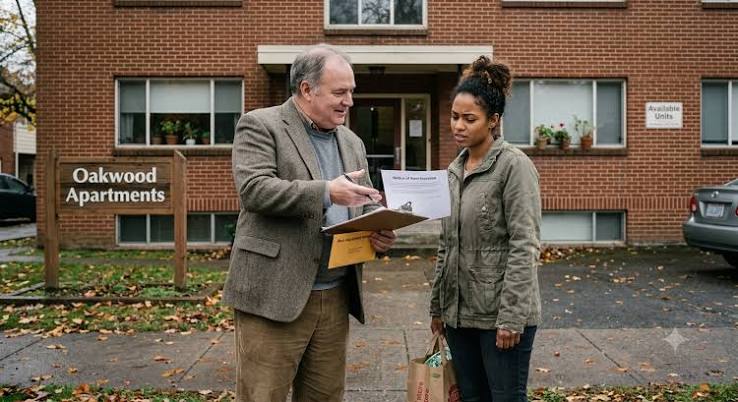
A rent increase can be lawful, restricted, delayed, or improperly noticed depending on the lease, the type of tenancy, and the rules in the property’s location. Before accepting a new amount, renters should compare the increase notice with the current lease and record the date the notice was received. Housing providers should confirm that any change follows the lease and applicable notice requirements. The safest approach is to separate the business question—whether the new rent works for the parties—from the legal question of whether the increase can take effect when and how proposed.
Five Services for Reviewing a Rent Increase
Rent rules are unusually local. Some places have rent-stabilization, rent-control, anti-retaliation, or special notice requirements, while others rely mostly on the lease and statewide law. A national service is most useful when it can direct the user toward state-specific information or a lawyer who knows the local rules.
1. LawHelp.org
When the problem concerns rent increase notices, lease terms, and local rent restrictions, the value of this service is its ability to connect documents and questions with legal or housing support. Because landlord-tenant rules differ by state and city, the state-by-state structure is especially useful for checking local procedure. Users should verify fees, eligibility, and the scope of any legal help before assuming a particular service will handle the matter through completion.
2. LegalShield
This option can be practical when rent increase notices, lease terms, and local rent restrictions has moved beyond an informal conversation and the parties need clearer guidance. Its renter and landlord services include lease review, dispute guidance, security-deposit questions, and help understanding state-law obligations. Bring the complete lease and a dated timeline so the person reviewing the issue can see the same record you are relying on.
3. Rocket Lawyer
For users sorting out rent increase notices, lease terms, and local rent restrictions, this service offers a structured way to identify the next source of help. Rocket Lawyer provides customizable rental-related documents and access to legal-question services, including tools for renters and landlords. Before contacting the service, organize the notice, lease, photographs, payment records, and messages that relate directly to the issue.
4. FindLaw Landlord-Tenant Directory
For a dispute involving rent increase notices, lease terms, and local rent restrictions, this service is most useful as a starting point rather than a substitute for reading the lease itself. Attorney availability, fees, and services are set by the individual law firm, so users should compare scope and cost before hiring counsel. The more precise the dates and documents are, the easier it is to ask a narrow question instead of retelling the entire tenancy.
5. HUD-Participating Housing Counseling Agencies
People dealing with rent increase notices, lease terms, and local rent restrictions can use this service to move from a general question toward a more local answer. Counselors can help renters organize the problem, understand available housing resources, and identify when legal or fair-housing referrals may be appropriate. If a court, agency, or lease deadline is involved, mention that date at the beginning so urgency is clear.
What Should Be Compared Before the New Rent Takes Effect?
Start with the existing lease term and any renewal or rent-adjustment clause. Confirm whether the tenancy is fixed-term or periodic, then save the increase notice exactly as received. Check the effective date, amount, delivery method, and whether the property may be subject to local rent regulation. If the increase followed a complaint, repair request, or protected activity, do not jump to conclusions about retaliation; document the sequence and ask a local professional how the law treats it. General housing law commentary can help readers identify questions worth asking.
Frequently Asked Questions
Can rent be increased during a fixed-term lease?
That depends on the lease language and applicable law. Many fixed-term leases set the rent for the term unless they contain a valid adjustment provision. A tenant should read the signed agreement and verify local rules before assuming an increase is effective.
What if the rent increase notice has no explanation?
An explanation may or may not be legally required. The more important first checks are the lease, notice period, effective date, and any local rent-regulation rules. If the property is regulated, additional limits or procedures may apply.
Should a tenant keep paying the old rent while disputing an increase?
That can create risk if the new amount is legally effective. Before withholding any portion, get local advice about the lease and payment obligations. Written communication is useful, but it should not substitute for understanding the consequences of underpayment.
Verify the Rule Before Negotiating the Number
A rent increase is easier to evaluate when the paperwork is separated from the emotion of a higher monthly cost. Keep the old lease, the new notice, and any renewal proposal together, then confirm which local rules apply to that property. rule-focused housing reading can provide broad context, while renter policy references may help identify rights-related questions. The final answer, however, should come from the lease and current law in the property’s jurisdiction.