
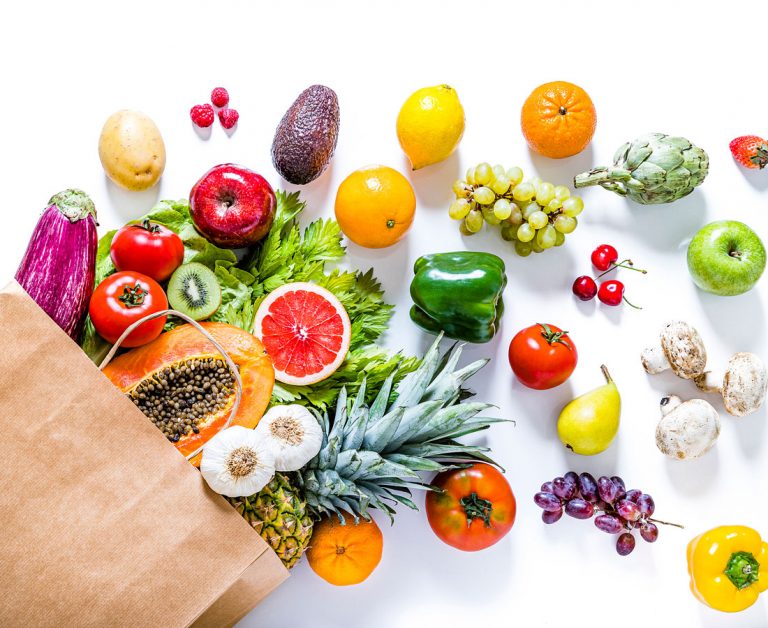
Eating more vegetables doesn’t require turning every dinner into an elaborate salad. Small additions to foods you already cook can increase variety while keeping meals familiar, affordable, and practical.
Vegetables can be fresh, frozen, canned, cooked, or raw. The useful habit is making them a regular part of meals rather than waiting for the perfect recipe.
Think Beyond a Side Salad
A plate of lettuce isn’t the only way to eat vegetables. Tomatoes can go into eggs, spinach into pasta, peppers into sandwiches, frozen peas into rice, and carrots or mushrooms into soups.
USDA’s MyPlate vegetable guidance recognizes fresh, frozen, canned, dried, cooked, and raw vegetables as options and groups vegetables into several types based on their nutrient profiles. USDA MyPlate vegetable guidance
That flexibility makes vegetables easier to fit into different budgets and cooking styles.
Add Before You Replace
Trying to overhaul every meal can make healthy eating feel like a project. Start by adding one vegetable to something you already enjoy.
For example, mix frozen broccoli into pasta, add onions and peppers to scrambled eggs, or serve cucumber beside a sandwich. People browsing healthy-living resources may see dramatic diet transformations, but modest additions are often easier to repeat.
Once one change becomes routine, add another vegetable or rotate the type.
Use Convenience to Your Advantage
Frozen vegetables can reduce washing and chopping. Canned tomatoes, beans, corn, or other vegetables can also be useful pantry options; checking labels can help when sodium or added ingredients are a concern.
General wellness articles and ideas sometimes make nutritious meals look time-intensive. In reality, a bag of frozen mixed vegetables added to a quick stir-fry may be more practical than buying produce that repeatedly spoils.
| Situation | Easy Vegetable Choice | Simple Use |
|---|---|---|
| Busy morning | Spinach | Add to eggs |
| Fast lunch | Tomato | Add to sandwich |
| Quick dinner | Frozen broccoli | Mix into pasta |
| Pantry meal | Canned tomatoes | Add to soup |
Create Variety Through Color and Texture
Different vegetables contribute different flavors, textures, and nutrients. Rotating leafy greens, red or orange vegetables, legumes, starchy vegetables, and other varieties can prevent meals from becoming repetitive.
Someone reading food-choice discussions may come across long lists of supposedly superior vegetables. There’s usually little reason to chase one “perfect” vegetable. A varied pattern is more useful than repeatedly buying an expensive ingredient because it happens to be fashionable.
Roasting can bring sweetness to carrots, peppers, cauliflower, or squash, while raw vegetables provide crunch. Soups and stews offer another route for people who dislike large servings of plain vegetables.
Why Buying More Isn’t the Same as Eating More
A refrigerator packed with ambitious produce purchases doesn’t improve a diet if half of it gets discarded. Buying realistic amounts can be smarter than filling the cart with foods you don’t have a plan to cook.
Another common problem is assuming fresh is always nutritionally superior and ignoring frozen or canned choices. Convenience matters because food that is affordable, accessible, and actually eaten has practical value. Start with vegetables you already tolerate, then expand gradually.
When Should Diet Changes Be Discussed With a Professional?
Seek individualized advice if digestive symptoms, food allergies, swallowing problems, significant appetite changes, unintended weight loss, or a medically prescribed diet make it difficult to increase vegetable intake safely.
Some gastrointestinal conditions or medical treatments can affect how particular high-fiber foods are tolerated. In those cases, generic advice to “eat more vegetables” may need adjustment from a clinician or registered dietitian familiar with the person’s medical situation.
Frequently Asked Questions
Are frozen vegetables a healthy option?
Yes, frozen vegetables can be a practical way to keep vegetables available without worrying about rapid spoilage. Preparation method and added sauces, salt, or other ingredients can affect the final dish.
What if I dislike most vegetables?
Start with a few that are tolerable and experiment with different cooking methods. Roasting, grilling, sautéing, blending into sauces, or adding vegetables to familiar meals can change both flavor and texture.
Do canned vegetables count?
They can. Canned vegetables offer convenience and long storage life. Reading the label can help you compare sodium and added ingredients among different products.
Make Vegetables Easier to Repeat
The strongest vegetable habit is the one that survives an ordinary Tuesday night. Keep a few convenient options available, attach them to meals you already make, and rotate varieties as your routine becomes easier.
You don’t need a refrigerator full of specialty produce. A handful of dependable vegetables, used consistently and prepared in ways you enjoy, is a practical place to begin.
This article is for general informational purposes and is not a substitute for professional medical advice, diagnosis, or treatment.