
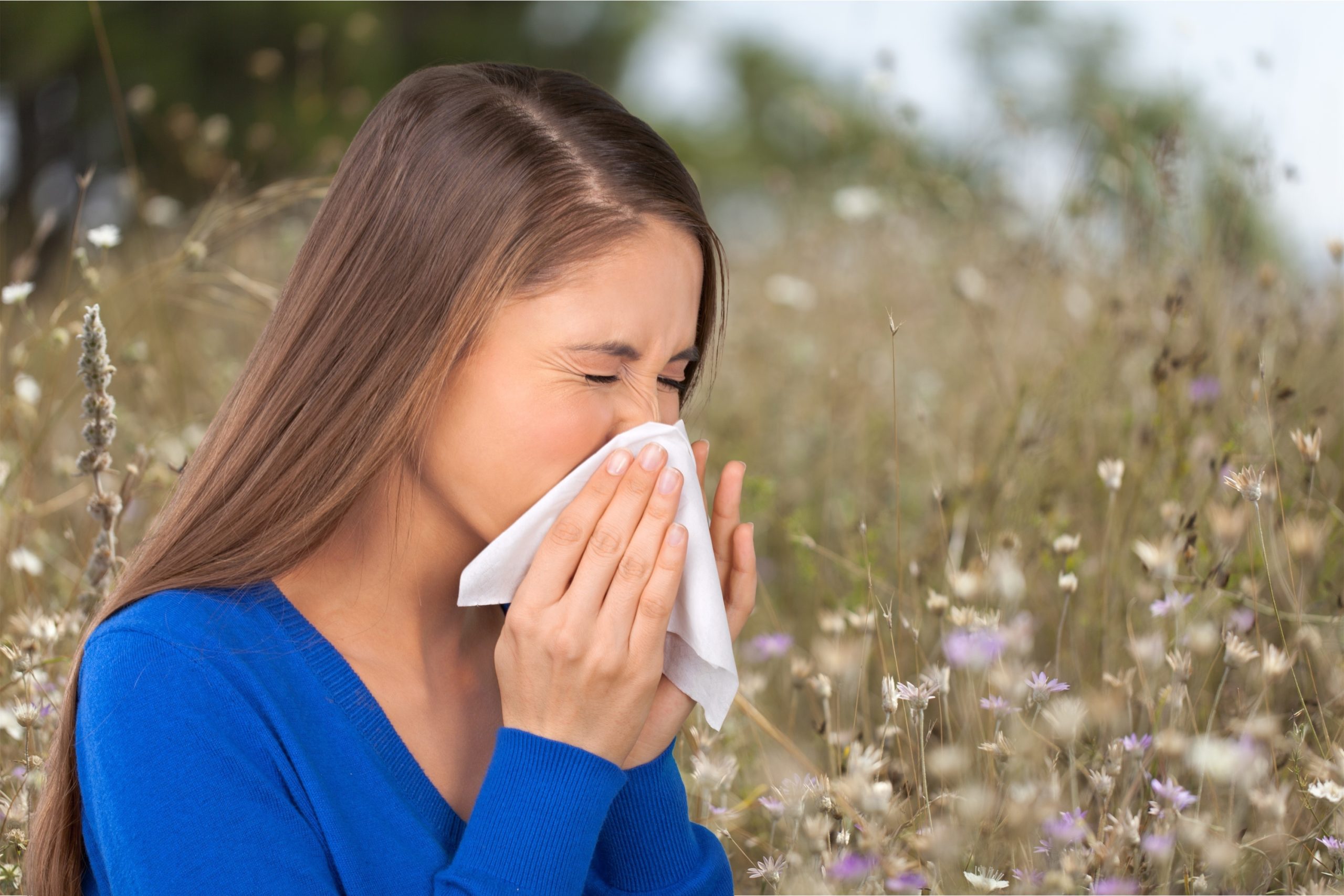
Seasonal allergy problems often follow a recognizable pattern: sneezing, congestion, itchy eyes, runny nose, or throat irritation appears when certain plants release pollen. Reducing exposure during heavier pollen periods can make symptoms easier to manage.
The goal is not to avoid the outdoors completely. It is to recognize the conditions that increase your exposure.
Why Pollen Levels Matter
Seasonal allergic rhinitis develops when a person reacts to airborne allergens such as plant pollen. MedlinePlus notes that trees, grasses, and ragweed are common pollen sources and that pollen levels may vary with weather conditions.
Hot, dry, windy conditions may keep more pollen moving through the air, while rain can temporarily wash much of it down.
When comparing seasonal routines, readers may also encounter seasonal wellness reading. Keep general lifestyle material separate from medical evidence about allergy diagnosis and treatment.
Reduce Exposure on Higher-Pollen Days
Check a reputable local pollen forecast when symptoms tend to follow the season. If levels are high, closing windows for part of the day and limiting unnecessary exposure during periods that trigger you may reduce the amount of pollen reaching your eyes and nose.
After spending substantial time outside, changing clothes and showering can help remove pollen carried indoors on hair and fabric. MedlinePlus includes trigger avoidance as an important part of allergic-rhinitis self-care.
Some people organize routines using everyday allergy awareness alongside weather information. The useful part is identifying your own exposure pattern rather than assuming everyone reacts on the same schedule.
| Situation | Exposure Concern | Practical Response |
|---|---|---|
| Windy dry day | Airborne pollen | Limit avoidable exposure |
| Open windows | Pollen entering rooms | Close when symptoms flare |
| Outdoor exercise | Longer exposure | Check local conditions |
| Returning indoors | Pollen on clothing | Change or shower |
Know Which Symptoms Fit the Pattern
Seasonal allergies commonly affect the nose and eyes. Sneezing, nasal congestion, runny nose, itching, watery eyes, cough, and throat irritation may occur.
Symptoms may not appear with equal intensity every day. Local plant species, weather, time outdoors, and individual sensitivity can all alter the pattern.
Keeping simple observations or daily health notes may make seasonal trends easier to remember, but symptom tracking cannot determine which allergen is responsible.
What Seasonal Symptoms Don’t Automatically Mean
Not every spring or fall stuffy nose is an allergy. Respiratory infections and nonallergic nasal irritation can produce overlapping symptoms, while some people have both seasonal and year-round triggers.
Color or thickness of nasal drainage also should not be used alone to decide what condition you have. The combination of timing, itching, sneezing, eye symptoms, exposure history, and professional assessment gives much better context.
When Allergy Symptoms Need Medical Help
Arrange medical evaluation if symptoms become difficult to control, interfere substantially with sleep or breathing, or remain unclear despite sensible trigger reduction. A clinician can help distinguish allergic rhinitis from other causes and discuss appropriate treatment options.
Seek urgent care for significant breathing difficulty, wheezing that is severe or rapidly worsening, faintness, or swelling of the face, tongue, or throat. MedlinePlus describes these as potentially serious allergic-reaction features. MedlinePlus allergic rhinitis overview
Frequently Asked Questions
Can seasonal allergies cause a cough?
Yes. Allergic rhinitis can be accompanied by coughing, congestion, and throat irritation, although a persistent cough can also have unrelated causes.
Are pollen levels the same every day?
No. Pollen exposure can change with local vegetation and weather. Dry, windy conditions may increase airborne pollen, while rain can temporarily reduce it.
Should I stay indoors for the entire allergy season?
Usually the more practical approach is targeted exposure reduction based on your own triggers and local conditions rather than complete avoidance of outdoor activity.
Make Exposure More Predictable
Seasonal allergies are easier to manage when you stop treating every day as identical. Watch local pollen conditions, reduce exposure when your symptoms predictably flare, and limit the pollen you carry indoors. Persistent or severe symptoms deserve professional evaluation rather than repeated guesswork.
This article is for general informational purposes and is not a substitute for professional medical advice, diagnosis, or treatment.