
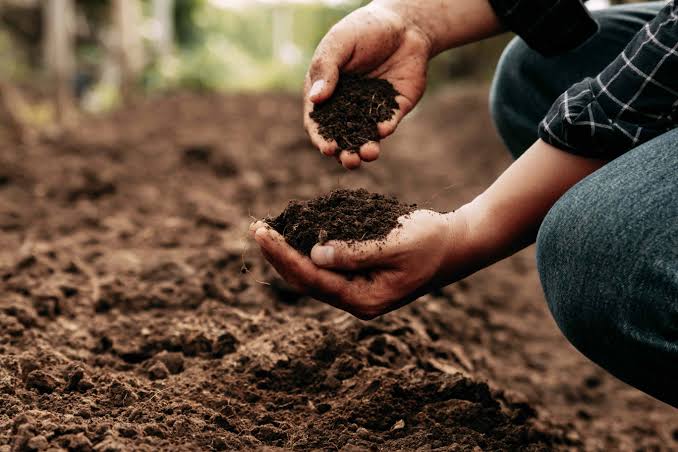
Dry garden soil can stress plants long before leaves become badly wilted. Keeping moisture around roots is less about pouring on extra water and more about helping the soil receive, store, and gradually release moisture. Better watering habits, organic matter, mulch, and sensible plant placement can make a garden far more resistant to short dry periods.
Check How Deep the Dryness Goes
A dry-looking surface doesn’t always mean the entire root zone lacks moisture. Before watering, move aside mulch and check the soil several inches down.
If deeper soil still feels cool and slightly moist, immediate heavy watering may be unnecessary. General home improvement articles can be helpful when thinking about related issues such as drainage, runoff, outdoor taps, and other property conditions that affect garden watering.
Different soils behave differently. Sandy soil can drain quickly, while heavy clay may remain damp beneath a hard-looking surface.
Water the Root Zone Instead of the Leaves
Directing water toward the soil around the plant is generally more useful than spraying foliage and surrounding hard surfaces. Slower application gives water time to soak into the ground.
For established plants, deeper watering can encourage roots to explore a larger soil volume. Shallow, repeated wetting may leave most moisture near the surface.
People comparing residential care tips may find that simple observation is more useful than following a rigid schedule. Weather, container size, plant age, soil texture, and shade can all change water needs.
| Condition | What Happens | Helpful Adjustment |
|---|---|---|
| Sandy soil | Water drains quickly | Add organic matter |
| Bare soil | Moisture evaporates faster | Apply mulch |
| Compacted soil | Water runs off | Loosen carefully |
| Hot exposed bed | Soil heats rapidly | Improve soil cover |
Add Organic Matter Gradually
Well-decomposed compost can improve soil structure and help many garden soils handle moisture more effectively. Mix it into new beds or apply appropriate material around established planting areas without repeatedly disturbing roots.
Avoid assuming that more amendment is always better. Soil needs air as well as water, and poorly chosen materials can create undesirable conditions.
Garden surfaces can also become part of the overall landscape design. Thoughtful exterior design references may help homeowners coordinate mulch, borders, walls, paths, and planting areas without sacrificing practical moisture management.
Protect Existing Roots
When improving soil around established plants, avoid deep digging close to major roots. Surface applications of compost and mulch can often improve conditions gradually with less disruption.
Trees and mature shrubs may have roots extending much farther than the visible canopy base.
Use Mulch to Slow Evaporation
A suitable mulch layer shields soil from direct sun and wind. It also reduces the rapid wet-dry cycle that often develops in uncovered beds during hot weather.
Keep mulch slightly away from plant stems and trunks. Piling organic material directly against woody tissue may hold unnecessary moisture against the plant.
Check beneath the mulch before watering. The surface material may appear dry while the soil underneath still contains adequate moisture.
Where Moisture-Saving Efforts Fail
The biggest mistake is confusing frequent watering with effective watering. Water applied too quickly may run across compacted soil and disappear into paths or drains without reaching deeper roots.
Another issue is adding fresh mulch without checking existing depth. Continually piling on material can create an overly thick layer. Automatic irrigation can also hide problems because a system may operate every day while a blocked emitter or poorly positioned sprinkler leaves one section consistently dry.
Frequently Asked Questions
How can I tell whether garden soil needs water?
Check below the surface instead of judging by color alone. Soil that is dry several inches down may need watering, while cool, slightly moist soil beneath a dry crust may not.
Does compost help soil hold water?
Well-decomposed organic matter can improve soil structure and moisture management. The effect varies with soil type, existing organic content, drainage, and the amount incorporated.
Is mulch useful during hot weather?
Yes. Appropriate mulch can shade the soil and slow evaporation. It works best when applied sensibly rather than piled deeply around plant stems or trunks.
Keep Water Where Plants Can Use It
Improving dry soil is usually a combination of small changes. Check moisture below the surface, water slowly, protect exposed ground, and build better soil structure over time. Plants benefit most when moisture stays available in the root zone instead of evaporating quickly or running away from the bed. Consistency matters more than repeatedly soaking already stressed soil.


