
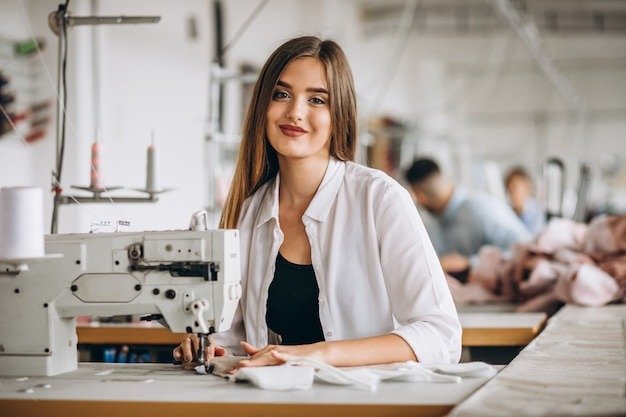
Choosing the right sewing machine can make sewing projects easier, more efficient, and enjoyable. Whether you are a beginner, hobbyist, or experienced sewist, the best machine depends on your projects, skill level, budget, and preferred features. With many models available, it is useful to compare functions carefully instead of choosing based only on appearance or price. Sewing machine dealers can also provide useful information about different models and help customers understand which features may suit their needs.
1. Consider the Stitch Options
Different sewing projects require different types of stitches. Basic machines may offer straight and zigzag stitches, while advanced models can include decorative, stretch, buttonhole, and quilting stitches.
Before purchasing, consider the types of projects you expect to make. Sewing machine dealers may be able to demonstrate stitch options and explain how they work on different fabrics.
2. Check the Machine’s Speed Control
Sewing machine dealers can help you compare machines with different speed-control features, which can be particularly helpful for beginners and people working on detailed projects.
Some machines allow users to adjust sewing speed using a slider or other control rather than relying entirely on the foot pedal. This feature can make it easier to sew slowly around corners, curves, or delicate areas while providing greater control over the fabric.
3. Look for Easy Threading Features
Threading a sewing machine can sometimes be challenging, especially for beginners. Features such as numbered threading guides, automatic needle threaders, and clearly marked paths can make setup easier.
A well-designed threading system can save time and reduce frustration, particularly when the machine is used frequently.
4. Evaluate the Bobbin System
The bobbin holds the lower thread and is an important part of the sewing process. Machines may use different bobbin styles and loading systems. A top-loading, transparent bobbin can make it easier to monitor the remaining thread.
Before buying, check how simple it is to insert, remove, and wind the bobbin and whether replacement bobbins are readily available.
5. Consider the Presser Feet
Different presser feet are designed for specific sewing tasks, such as zippers, buttonholes, quilting, or decorative stitching. A machine that includes several useful presser feet can provide greater versatility.
Sewing machine dealers can explain which included feet are most useful for the projects you plan to complete and whether additional accessories are available.
6. Check the Workspace and Lighting
A comfortable workspace can make a significant difference when sewing for long periods. Look for a machine with enough space around the needle to handle your typical projects.
Built-in lighting is also helpful because it can illuminate the needle and sewing area, especially when working with dark fabrics or detailed patterns.
Final Thoughts
Choosing a sewing machine requires consideration of stitch options, speed control, threading, bobbin design, presser feet, workspace, construction, and after-sales support. Think about your sewing goals and skill level before deciding which features are essential. Comparing different models and speaking with experienced sewing machine dealers can help you make a more informed purchase. A machine that matches your projects and working style can provide reliable performance and make sewing more enjoyable for years to come.